Product methods
In the early days of the Internet, the websites were designed and built by the same people - Web Masters. HTML, CSS and later JavaScript used to be a standard web designer skill set.
Years past and up until 2023, it seemed like we had moved way too far from Web Master’s skill: only a handful of people - UX Engineers mostly in system design roles - were expected to code and design.
Leap to 2026 and we find ourselves back in the Web Master domain: designers are expected to design and release real code, but this time not alone. AI has made a lot of designers more technical.
Short history of UX as told by its tools
Back in the 90s and 00s, layouts were designed directly in code, then we appropriated Photoshop to generate web graphics to slices them for web. With development of vector graphics, Illustrator competed for the web design space.
2010s were the most defining years in web design and development, and also the years of forking these skills into separate roles.
Sketch changed everything: we got our specialized web and product design software with open canvas and boards.
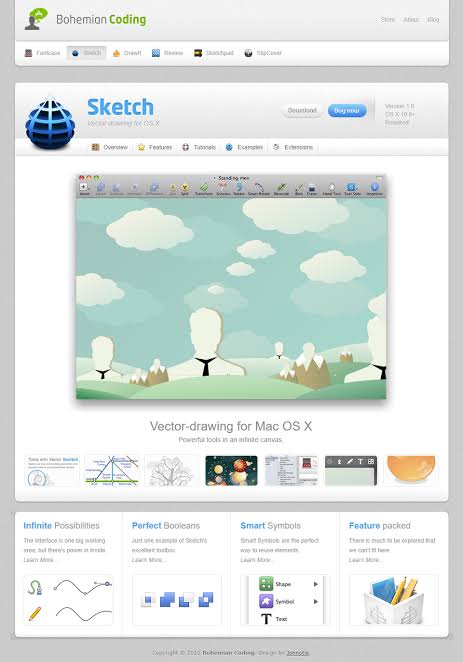
In 2017 Sketch released Libraries, making design tools system-oriented by so matching the developments in front-end.
Then Figma changed everything again: collaborative boards, in-built prototyping that killed InVision and Zeplin, at some point dev mode came in.
Following the lead of the design tools, design started to drift away from code: we called things frames instead of divs, auto-layout instead of flex, use px values instead of % instead of sticking to CSS. We focused on process, discovery, product "mindset" and UXR.
Tools of 2026 and onwards
There are plenty of doomsday prophecies, and every day something is announced to be dead: the whole of design, engineering, product management are mourned ahead of their passing let alone tools like Figma.
Figma, once a standard of design, might not be dead just yet: open canvas style tools are still one of the most flexible ways to handle the design cycle. However, some of its habits might become less relevant: separating design and dev in their own modes, its tendency to name things like flex in its own way instead of sticking to CSS terminology and to cultivate an exclusive design culture.
Bridging design and dev in a visual tool is not unheard of. In fact, Webflow has been doing it for many years: to this day it’s the closest a visual website builder has come to resemble HTML & CSS. It just never gotten robust enough to build apps. Not for the lack of interest: before AI it was no-code promise that gotten our attention, hope and investments.
It’s hard to tell just yet, if the need for such a visual builder will be relevant for long: agents are capable of writing code. The code that non-engineers do not understand, can’t evaluate or debug on their own, but a code that renders in what works like an actual app.
This is where Web Masters resurrect. They need to come like artisans with their care for both things: how to design and how to make what is designed.